

Nature & wildlife guide
Frogs, Kinkajous & the Night Forest: Why Right Now Is Prime Time for the Night Tour
Right now, as the rainy season peaks, the night forest at El Tesoro sounds different than usual: frogs are calling, kinkajous are foraging, and there's more nocturnal activity to catch on the Night Tour.
We're in the middle of Monteverde's rainy season right now, and the warm, steady rain and near-constant humidity have turned the cloud forest into ideal breeding conditions for frogs. It's also a quieter stretch for tourism, which means smaller groups and a better chance of your guide's flashlight landing on something before it moves on.
Here's what tends to be most active this month on the Night Tour, and what else you might spot along the way.
A note on sightings. Nothing in the cloud forest shows up on command. Frog choruses, kinkajou sightings and insect activity all shift night to night with rainfall and temperature.
What we can promise is a guide who knows the trails well enough to give you the best possible chance, and a flashlight pointed in the right direction more often than not.
What's calling this month
The current rains are bringing out some of the forest's most vocal, and most overlooked, residents.
-
The chorus begins
Red-eyed treefrogs and several other rainy-season breeders are calling loudly after dusk right now, especially near standing water. The steady rain we're getting keeps that chorus going most nights.
-
Glass frogs near the water
These small, translucent frogs are harder to spot than treefrogs, but their high, insect-like calls near streams are a Night Tour highlight when the timing lines up.
-
Kinkajous overhead
Nocturnal, fruit-eating relatives of raccoons, kinkajous forage in the canopy after dark. They move quickly and quietly, so a good guide watching the treeline gives you a real edge.
-
Cooler, quieter nights
Evenings right now tend to be a touch cooler, with the kind of light, steady rain that many nocturnal species seem to prefer over a downpour.
What else you might spot on the trail
The Night Tour covers a lot more ground than frogs and kinkajous. Here's a sample of what else regularly turns up.

Coatis on the move
Coatis are usually daytime foragers, but it's not unusual to catch one still active in the early evening, crossing a trail or rustling through leaf litter.
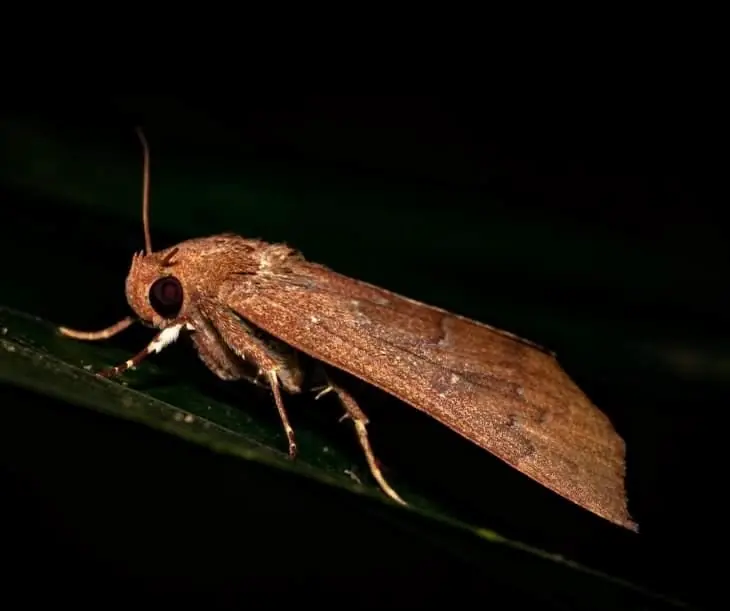
Insects drawn to the light
Moths, beetles and katydids gather around the flashlight beam most nights, some of them startlingly large. A reliable sighting even on a quiet night for larger wildlife.
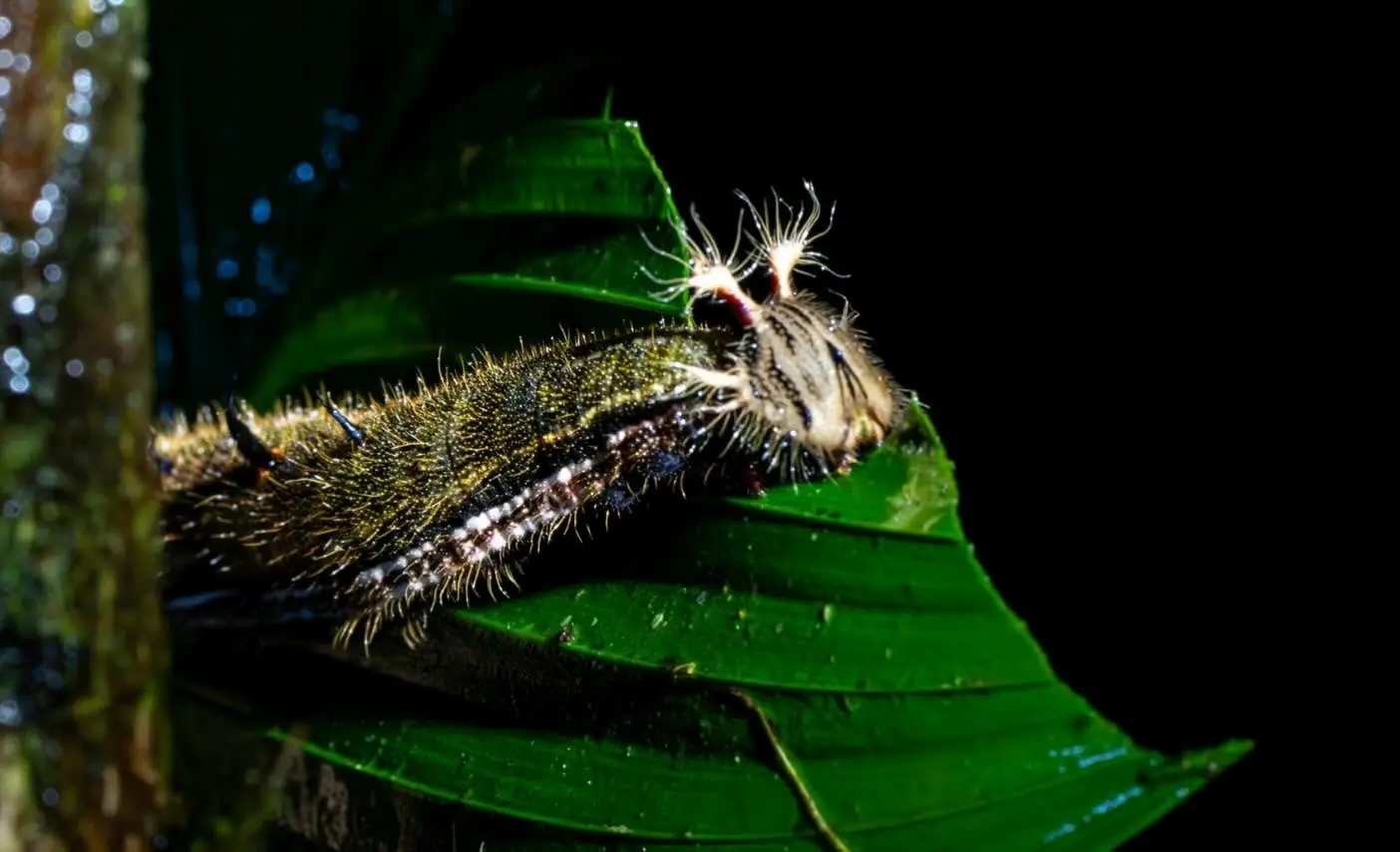
Glowworms in the leaf litter
Small glowing larvae are easy to miss unless your guide knows where to look, but once your eyes adjust to the dark, they're unmistakable.

Sloths, curled up and resting
Sloths aren't nocturnal, but night is often when you'll actually get a clear look at one, curled up and still, lit from below by a guide's flashlight.

Getting the most out of a night walk right now
Rain at the moment tends to be light and steady rather than a downpour, but bring a light rain jacket just in case, along with closed shoes. Everything else, flashlights included, is provided.
Common questions
Frequently asked questions

Canitas, Monteverde
Ready to hear the forest after dark?
Tell us your dates and group size and we'll hold your spot on the Night Tour.